



Your 8 Hours is Not His 8 Hours: The Science of Women and Sleep
By. Dr. Amina Hersi
The cultural conversation around sleep tends to be either dismissive or aspirational. Either it is something you boast about not needing, or it is a wellness aesthetic involving silk pillowcases and lavender mist.
The truth is more uncomfortable. Sleep is the single most powerful thing your body does for itself. And women, on average, are getting it wrong.
In the worst flare ups of my own PCOS, I was running on 3.5 to 4 hours a night. Not because I had insomnia, but because I had convinced myself I could outwork what my body was telling me. I could not. No woman can.
This piece is a clinical breakdown of what sleep actually does, what happens when you do not get enough, and why the way we sleep in summer makes everything harder. With practical changes you can make tonight.
What sleep actually does for the female body

Sleep is an active process, not a passive one. During the hours you are unconscious, your body is doing some of its most important work.
Hormonal regulation
Most of the hormones that govern women's health follow a circadian pattern. Cortisol peaks in the early morning and falls overnight. Growth hormone, essential for tissue repair, is released in pulses during deep sleep. Leptin and ghrelin, the hormones that regulate appetite, rebalance overnight. Reproductive hormones including luteinising hormone are also released in a pulsatile pattern that depends on adequate sleep.
When sleep is disrupted, every one of these systems is affected.
Metabolic health
Even a single night of poor sleep reduces insulin sensitivity. Research published in the journal Sleep showed that restricting sleep to four hours per night for just six nights reduced glucose tolerance and increased evening cortisol levels (Spiegel et al. 1999).
Brain function and emotional regulation
During REM sleep, the brain processes emotional experiences from the day. This is one reason poor sleep is so closely linked to mood disturbance, irritability, and anxiety. Memory consolidation also happens during sleep.
Immune function
Cytokines, the proteins your immune system uses to fight infection, are produced during sleep. People who sleep less than seven hours per night are nearly three times more likely to develop a cold after viral exposure (Prather et al. 2015).
Skin and tissue repair
Collagen synthesis and cellular repair are at their highest during deep sleep. The phrase "beauty sleep" is not a myth. It is biology.
What poor sleep does to women specifically

Sleep deprivation affects men and women differently. Research from Duke University showed that women who sleep poorly experience higher levels of psychological distress, depression, and anger than men with equivalent sleep loss (Suarez 2008).
Women are also more sensitive to sleep loss at a neurological level. After short sleep, women spend more time in deep recovery sleep than men do, suggesting their brains are working harder to compensate (Sleep Foundation 2025).
The specific effects of chronic poor sleep on women include:
- Disrupted menstrual cycles and ovulatory dysfunction
- Worsened PMS symptoms
- Increased risk of metabolic conditions including type 2 diabetes
- Higher levels of inflammation
- Greater appetite dysregulation, with stronger cravings for high carbohydrate foods
- Disrupted fertility hormones
- Increased risk of depression and anxiety
The cruelty of it is that many of the conditions women already deal with, including PCOS, endometriosis, and perimenopause, also disrupt sleep. The result is a self-reinforcing loop.
How much sleep you actually need
The NHS recommends adults aged 18 to 64 get between 7 and 9 hours of sleep per night.
Women, on average, need slightly more sleep than men. Research suggests this is partly because women experience more disrupted sleep due to hormonal fluctuations, caregiving responsibilities, and a higher prevalence of insomnia (Andersen et al. 2023).
In reality, most British adults are nowhere near this. Over half of UK adults are not getting the recommended seven hours. The average is closer to six and a half (Aviva 2023). Around 14 percent of UK adults sleep fewer than five hours a night, which sits in the range that medical research considers dangerously low.
Why quality matters as much as quantity
You can spend nine hours in bed and still wake up exhausted. This is because what your body needs is not just time, but structure.
Sleep happens in cycles of approximately 90 minutes. Each cycle moves through four stages:
- Stage 1 (Non-REM) - light sleep, easy to wake from
- Stage 2 (Non-REM) - deeper, body temperature drops, heart rate slows
- Stage 3 (Non-REM) - deep slow wave sleep, when physical repair happens
- Rapid eye movement (REM) - dream sleep, when emotional and memory processing happens
A healthy adult moves through four to six of these cycles per night. Deep sleep is concentrated in the first half of the night. REM sleep is concentrated in the second half.
This is why interrupted sleep, even when total hours look adequate, leaves you depleted. Waking repeatedly fragments these cycles. Cutting your sleep short by an hour means losing a disproportionate amount of the most restorative REM stages.
Sleep efficiency is the proportion of time in bed spent actually asleep. Above 85 percent is considered healthy. Below 75 percent suggests a problem worth investigating. Nightly doom-scrolling or using your bed for things other than sleep can cut into your efficiency.
Why summer disrupts sleep

Summer presents unique challenges to sleep quality, and the way your body responds is largely beyond conscious control.
Light exposure
UK sunrise in May is before 5am and getting earlier. Light reaching your eyes, even through closed lids, signals your brain to wake. Your circadian rhythm shifts earlier. The most restorative final hours of sleep get cut short.
Temperature regulation
Your body needs to drop its core temperature by about 1 to 2 degrees Celsius to initiate and maintain deep sleep. Hot bedrooms make this impossible. Women are also more sensitive to ambient temperature changes during the luteal phase of the menstrual cycle, when progesterone naturally raises body temperature.
Behavioural changes
Summer brings later nights, more alcohol, more travel, more disrupted routines. Alcohol in particular suppresses REM sleep, which is why a glass of wine before bed leaves you feeling unrested even if you slept the same number of hours.
Magnesium loss through sweat
Sweating increases magnesium loss. Magnesium contributes to normal functioning of the nervous system and to the reduction of tiredness and fatigue. Lower levels are associated with reduced sleep quality.
Practical changes for better summer sleep

Anchor your wake time
Pick a wake time and protect it. Even on weekends. Even when sunrise tempts you to sleep in. Consistency is the single most powerful lever for sleep quality.
Get morning light
Within the first hour of waking, get outside for 5 to 10 minutes without sunglasses. This anchors your circadian rhythm to the day and improves sleep timing that evening.
Cool your bedroom
The optimal bedroom temperature for sleep is 16 to 19 degrees Celsius. In summer this means a fan, open windows in the evening, and lightweight bedding. Cotton and linen breathe far better than synthetic alternatives.
Block the light
Blackout curtains or a high quality silk eye mask. This single change can make a measurable difference to sleep quality through summer.
A cool shower before bed
Counterintuitive but well evidenced. A cool or lukewarm shower 60 to 90 minutes before bed helps your core temperature drop, which signals sleep onset.
Front load caffeine
Caffeine has a half life of around 5 to 6 hours. A coffee at 2pm is still actively affecting you at bedtime. Try cutting off all caffeine by midday. This includes Matcha!
Respect alcohol's real effects
Alcohol may help you fall asleep but it fragments sleep architecture, particularly REM. If you do drink, finish at least three hours before bed and hydrate alongside.
Wind down properly
The hour before bed matters. Dim the lights. Stop scrolling. Read something on paper. Your nervous system needs the runway.
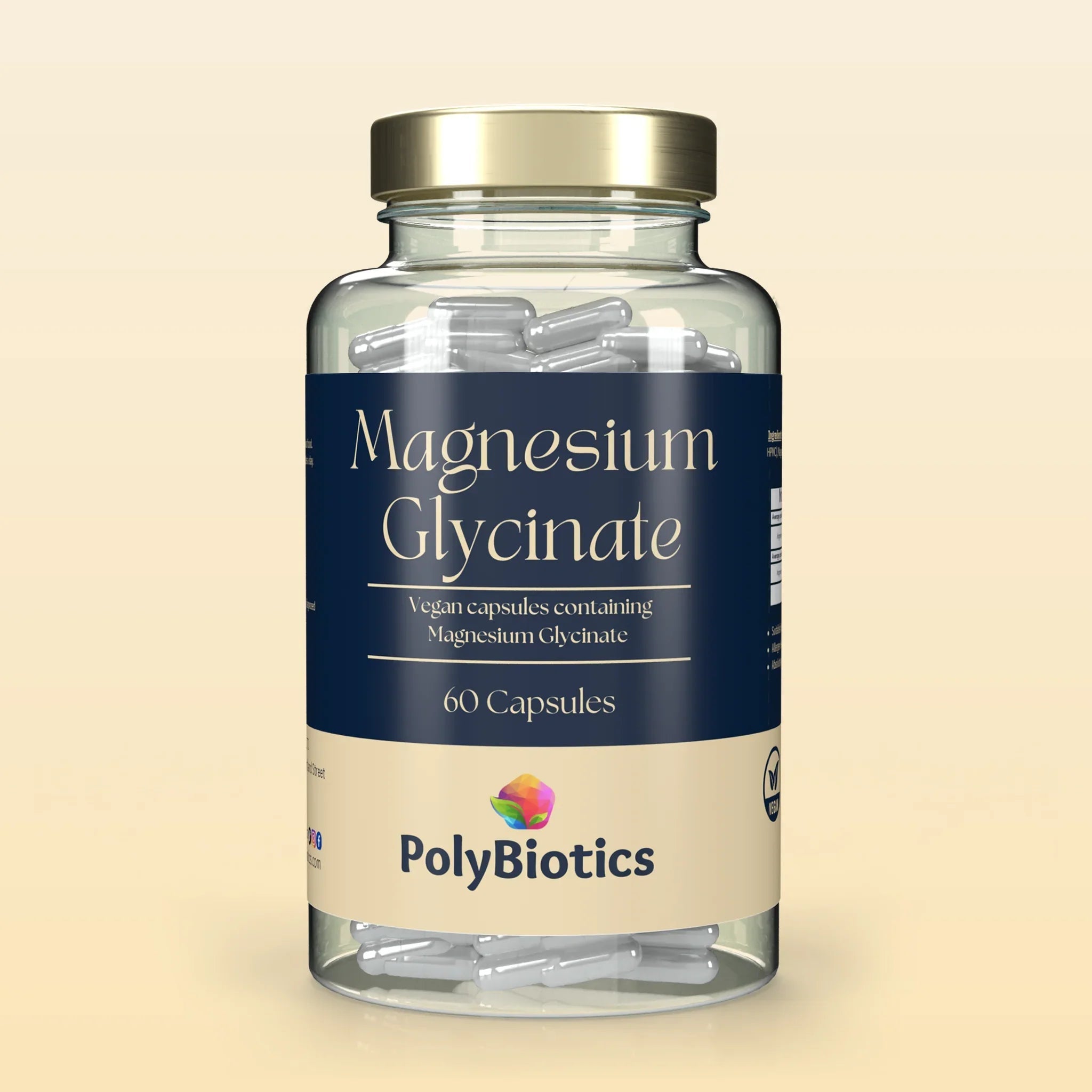
Magnesium glycinate is part of my own wind down routine.
Sleep on this
You cannot supplement your way out of sleep deprivation. No nutrient, no protocol, no product can replicate what your body does when you sleep well.
Sleep is not optional. It is not lazy. It is not what you do when you have finished everything else. It is the foundation on which everything else is built.
Protect it like it matters. Because it does.
x
Amina
References
- NHS. (2025). How much sleep do we need? NHS.uk
- Andersen, M. L., Hachul, H., Ishikura, I. A., & Tufik, S. (2023). Sleep in women: a narrative review of hormonal influences, sex differences and health implications. Frontiers in Sleep, 10.3389/frsle.2023.1271827
- Spiegel, K., Leproult, R., & Van Cauter, E. (1999). Impact of sleep debt on metabolic and endocrine function. The Lancet, 354(9188), 1435-1439.
- Spiegel, K., Tasali, E., Penev, P., & Van Cauter, E. (2004). Brief communication: Sleep curtailment in healthy young men is associated with decreased leptin levels, elevated ghrelin levels, and increased hunger and appetite. Annals of Internal Medicine, 141(11), 846-850.
- Prather, A. A., Janicki-Deverts, D., Hall, M. H., & Cohen, S. (2015). Behaviorally Assessed Sleep and Susceptibility to the Common Cold. Sleep, 38(9), 1353-1359.
- Suarez, E. C. (2008). Self-reported symptoms of sleep disturbance and inflammation, coagulation, insulin resistance and psychosocial distress: Evidence for gender disparity. Brain, Behavior, and Immunity, 22(6), 960-968.
- Aviva UK. (2023). Sleep Report: Over half of UK adults not getting enough sleep.
- Sleep Foundation. (2025). Do Women Need More Sleep Than Men?
- Mong, J. A., & Cusmano, D. M. (2016). Sex differences in sleep: impact of biological sex and sex steroids. Philosophical Transactions of the Royal Society B, 371(1688).
- Decrinis, C., Hofmann, K., Bitterlich, N., et al. (2025). Sleep disorders and psychological comorbidities in women with polycystic ovary syndrome. Archives of Gynecology and Obstetrics.
Share:
0 comments
Blog posts
-

The Wellness Trends Women Should Question
Why some of today's biggest wellness trends are built on evidence that doesn't always reflect female physiology. By Dr. Amina Hersi MD Wellness trends have never been more popular. Open social media and you'll quickly be told that the healthiest...
-

Food vs supplements: this isn't a competition
Some brands compare their supplement's calories to breakfast, as if it's meant to replace food. It isn't. Here's what your diet gives you that no capsule can, and where the real gaps lie.
-

Is Stress Throwing Your Hormones Off? The Stressors We Don’t Always Think About
Stress isn't just about feeling overwhelmed. Heat, poor sleep, under-eating, over-exercising and major life changes can all place demands on the body. We explore how stress interacts with your hormones, what the science really says about childhood trauma and PCOS, and why building resilience, rather than trying to eliminate stress entirely, may be a more helpful approach.


